Sustainability is incredibly important across almost every industry. Today, builders and developers aren’t just concerned with sourcing durable and affordable materials; they are also concerned with the environmental impact and recyclability of the materials they work with.
Insulated metal panels are now seen as a high-performance, long-lasting material that isn’t just cost-effective, but also truly sustainable. To explain why, we’ll take a look at how insulated panels are made, whether they can be recycled and how they compare to traditional construction materials.
What Are Insulated Metal Panels?
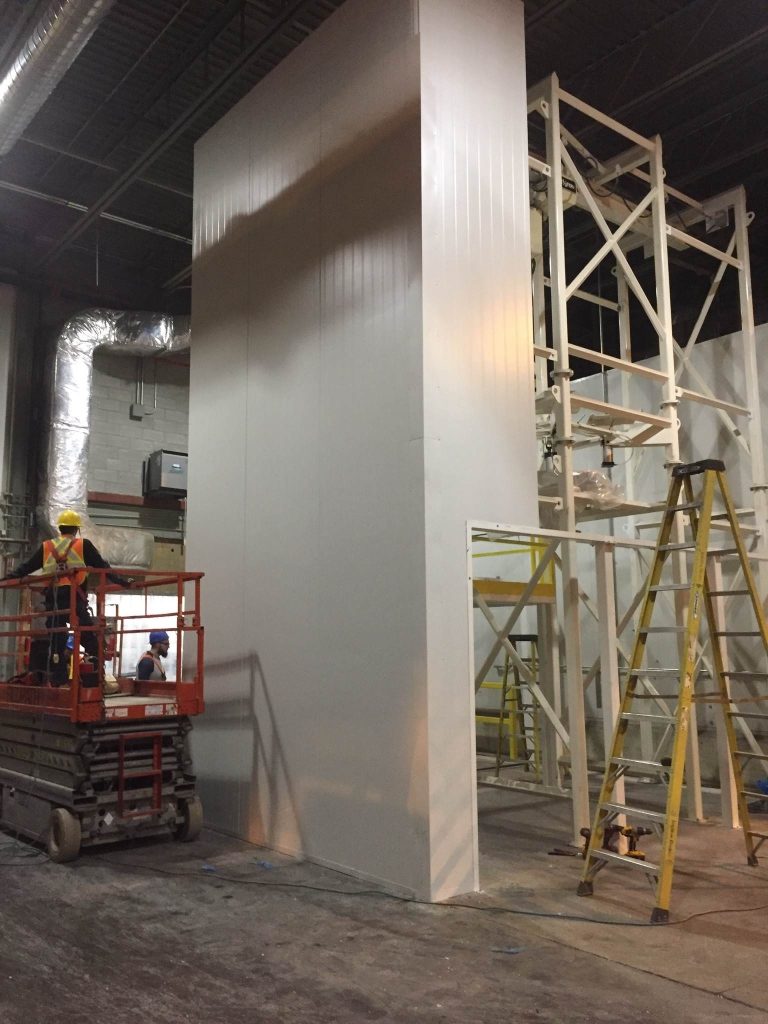
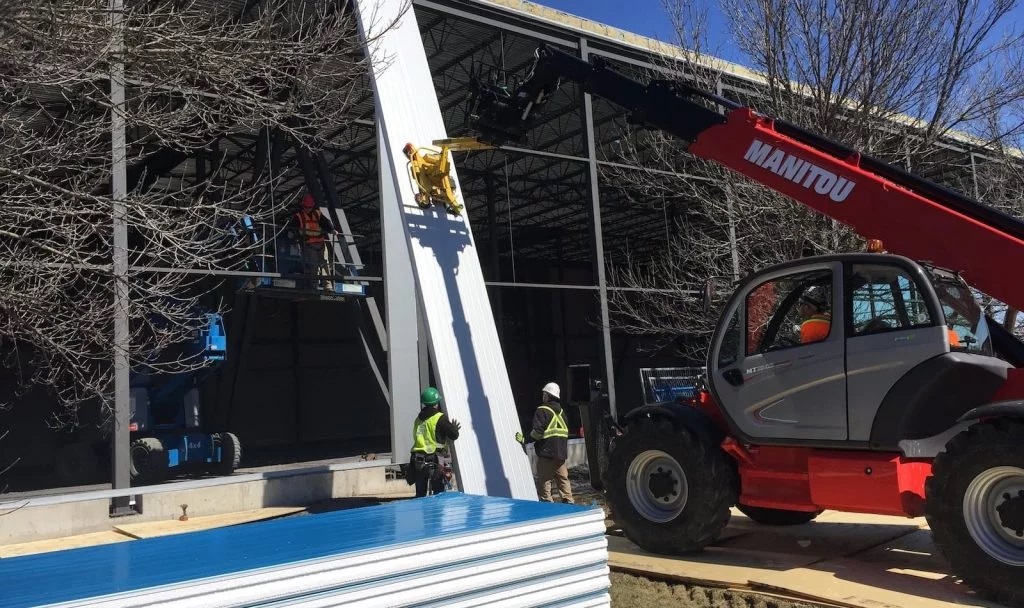
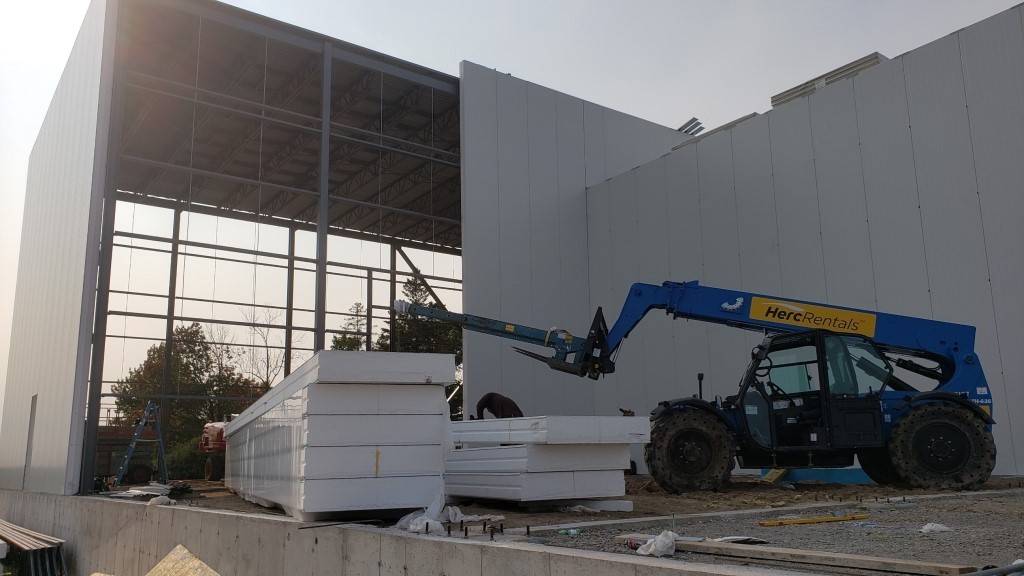
Insulated metal panels are prefabricated wall and ceiling panels that contain an insulating core material. That insulating core is bonded between metal outer facings, which are usually made from steel.
Since insulated metal panels feature a highly durable outer surface and an insulating core, they simplify construction, and they can improve energy efficiency by helping to create a more effective building envelope.
Can Insulated Metal Panels Be Recycled?
One of the many benefits of insulated metal panels is their recyclability, but the extent to which they can be recycled sustainably depends on their specific design.
The steel outer surfaces are almost always fully recyclable. Even when painted or coated, steel is among the most recycled materials in the world.
Because they can be melted down and reused without compromising structural integrity, these steel outer surfaces are often repurposed after the insulating panel has reached the end of its lifespan. This helps reduce waste and ensures the panels are more sustainable than walls constructed with non-recyclable outer surfaces.
With all of that said, the recyclability of the insulating core does depend on what material was used.
Insulating Core Recyclability
While all insulated metal panels use the same basic design, the insulation material used for the core of the panel varies. Some core materials can be repurposed better than others. Here’s how it breaks down:
Expanded Polystyrene (EPS) Core Panels
This core material is one of the best performing, which is why it is a popular core material for high-quality insulated metal panels.
Not only does it perform well and provide lasting insulation, but it can also be recycled and repurposed into new products.
From a sustainability and environmental standpoint, it is also a good material to work with, as it is relatively lightweight and does not degrade in a way that releases harmful chemicals or microplastics.
Polyurethane (PUR) Core Panels
Panels with a polyurethane core can be a bit more difficult to recycle. This is due to the chemical complexity of the polyurethane, which is often too expensive to repurpose.
Mechanical separation does enable a greater degree of recyclability than thermal or chemical separation, but it can be more costly.
Mineral Wool and Rockwool Core Panels
Insulated panels that contain a mineral fibre or mineral wool core can often be recycled and repurposed into new forms of insulation.
Since the core material is non-combustible, it also has a long lifespan. This contributes to the material’s overall sustainability.
Other Ways Insulated Panels Improve Sustainability
Beyond their ability to be recycled and repurposed, high-quality insulated metal panels help enhance sustainability in other ways.
Reducing Operational Energy Use
Once installed, the panels provide continuous insulation with minimal thermal bridging. This means the finished building is more energy efficient, so less power is required for heating and cooling.
These energy savings reduce costs and the building’s environmental impact.
Insulated panels provide continuous insulation with minimal thermal bridging, significantly reducing heating and cooling energy demand. Over a building’s life cycle, operational energy savings far outweigh the embodied energy of its materials.
Long Lifespan
Since insulated panels are designed to outlast their multi-component alternatives, they reduce material waste over time. The more widespread their use, the greater the impact of their long lifespan.
Insulated metal panels can even be repurposed and reused. This means they can be taken down and used in another location if a building’s needs change over time. In some cases, this can be done many years after the initial install.
Reduced Construction and Transportation Waste
Due to their prefabricated design, fewer materials are wasted during installation than in on-site construction projects. Their lightweight design also helps reduce waste during transpiration, leading to a lower carbon footprint.
Choose the Best and Most Sustainable Insulated Panels
When sustainability is a priority but can’t come at the expense of performance, choosing the right insulated panels is critical.
Structural Panels Inc. offers high-performance insulated panels specifically designed for durability, energy efficiency, and long-term environmental sustainability. They are also manufactured in Canada, so they are purpose-built to withstand the challenges of the country’s unique climate.
Two of the best options on the market are ISOWALL Insulated Wall Panels and ROCKWALL Fire-Rated and Insulated Panels.
ISOWALL Panels feature an EPS core that is bonded between steel surfaces. This provides effective thermal performance, simplified installation and lasting durability. ROCKWALL Panels feature a Rockwool mineral fibrecore that delivers meaningful fire resistance and thermal insulation.
Discover the Benefits of Insulated Panels Today
Insulated metal panels are incredibly sustainable and suitable for a wide range of commercial and industrial applications.
You don’t have to sacrifice performance to meet your environmental goals. Learn more by contacting Structural Panels Inc. today.