
High Density Rigid Insulation
High Density EPS Insulation
High-density rigid expanded polystyrene insulation, commonly known as EPS insulation, is designed for construction applications where long-term thermal performance, moisture resistance, and easy handling matter.
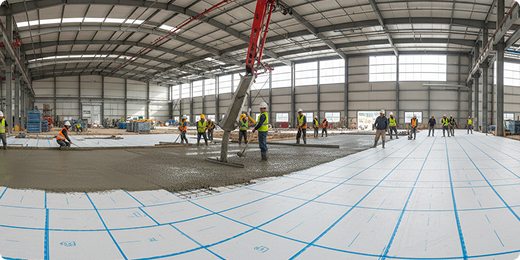
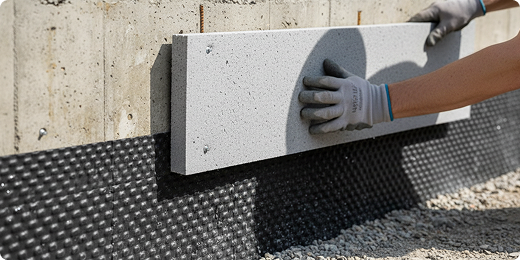
Structural Panels offers high density EPS rigid insulation for residential, commercial, and industrial projects, including under concrete slabs, foundation walls, roofing systems, and other building envelope applications.
Product Snapshot
High density EPS insulation is a rigid foam insulation product used across many construction environments. Key product details:
- High-density expanded polystyrene insulation
- Moisture resistant
- Designed for long-term thermal performance
- Suitable for residential, commercial and industrial projects
- Commonly used under slabs, foundation walls and roofing systems
- Lightweight and practical for construction use
- Cost effective and easy to handle
Learn About EPS
What Is High Density EPS Insulation?
EPS stands for expanded polystyrene insulation. It is a rigid foam insulation material used to help improve thermal performance and reduce heat transfer in building assemblies.
High density EPS rigid insulation is commonly used in below-grade, under-slab, foundation wall, roofing, and general construction applications.
Performance & Efficiency
Key Features & Benefits
Improved Energy Efficiency
Reduces thermal bridging and minimizes heating/cooling energy losses.
Long-Term Thermal Performance
Stable R-value remains consistent throughout the entire lifespan of the structure.
Moisture Resistance
Rigid structure resists water absorption, preventing decay and maintaining performance below-grade.
Easier Handling & Installation
Lightweight, clean boards that can be easily custom field-cut with standard tools.
Versatile Project Use
Perfectly suited for all types of residential, commercial, and industrial envelopes.
Complete Application Suitability
Specially formulated for high-load under-slab, robust foundation walls, and roofs.
Where It's Used
Proven Applications
Our high-density EPS rigid boards are highly optimized for direct integration into structural components, guaranteeing robust envelopes across these critical zones:
- Under concrete slabs
- Roofing systems
- Residential construction
- Industrial facilities
- Foundation walls
- Below-grade applications
- Commercial buildings
- New construction and renovation projects
The right EPS product should be selected based on the application, load requirements, moisture exposure, and project specifications.
Looking for different panel solutions?
Check out our related systems. They’re a great add-on or alternative where standard EPS isn’t exactly what your specs require:
- ISOWALL® insulated wall panel systems
- ROCKWALL™ fire-rated wall panels
- PROLINER™ PVC wall and ceiling panels
- FRP sheeting
- Accessories and installation materials
FAQs About EPS Insulation
Review commonly asked questions regarding our rigid EPS foam sheets. Our engineering specialists are always standing by to supply detailed datasheets, load capacities, and safety metrics.

What is EPS insulation?
EPS insulation is expanded polystyrene insulation. It is a rigid foam insulation material used in construction to help improve thermal performance.
Where can EPS rigid insulation be used?
EPS rigid insulation can be used under concrete slabs, on foundation walls, in roofing systems, and in other residential, commercial, and industrial construction applications.
Is EPS insulation moisture resistant?
Yes. EPS insulation is commonly used in applications where moisture resistance is important. Product-specific moisture performance should be confirmed with technical documentation.
What is the R-value of EPS insulation?
The R-value depends on the specific product type, density, and thickness. Structural Panels should confirm the exact R-value before publishing technical claims.
Can I order EPS insulation samples?
Yes. Customers can order samples or contact Structural Panels for product information, availability, and project suitability.