
The four common types of shower wall panels are PVC, fiberglass-reinforced plastic, acrylic, and laminated panels. Each option offers different advantages related to waterproofing, durability, appearance, installation, maintenance, and cost.
Shower wall panels provide an alternative to traditional tile and can be used in residential bathrooms, commercial showers, fitness facilities, community centres, dormitories, and other high-moisture environments. Large panels can cover more wall area with fewer joints, helping simplify installation and ongoing cleaning.
However, not every bathroom wall panel offers the same level of protection. The best option will depend on whether the material is approved for wet areas, how the joints are sealed, the expected level of use, and the appearance required for the project.
Below, we compare the main types of shower wall panels, their benefits, their limitations, and the applications for which each one is best suited.
What Are Shower Wall Panels?
Before we take an in-depth look at the different types, it is useful to quickly explain what shower wall panels are in the first place.
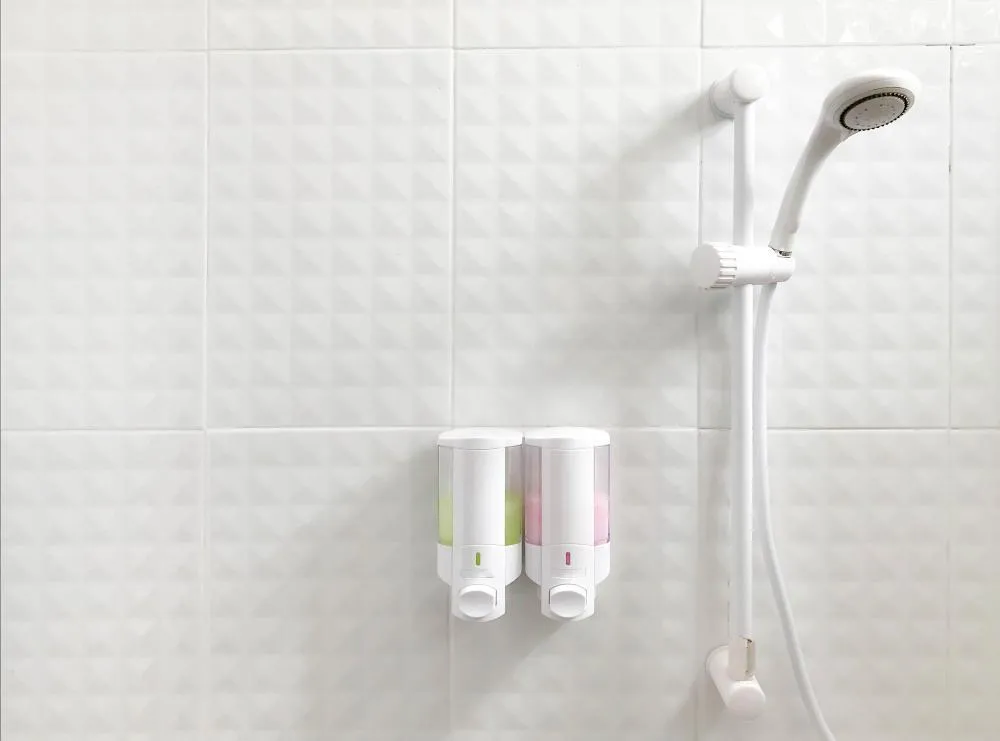
Essentially, shower or bathroom wall panels are large decorative sheets designed to be a lightweight, user-friendly alternative to bathroom tiles. They can withstand exposure to wet and humid environments and are designed to be 100 percent waterproof.
Most are also designed so they can be cut to specific dimensions quickly and easily, which is one of the many reasons they are easier and faster to install than bathroom tiles.
While it is unarguable that they are easier to install than tiles, that does not mean they are less attractive. Many of these wall panels are just as aesthetically pleasing as they are functional, as they are designed with decorative finishes that can give a shower an eye-catching appearance.
4 Types of Shower Wall Panels at a Glance
The main differences between shower wall panel types involve moisture resistance, durability, appearance, maintenance, installation, and cost.
PVC shower wall panels
PVC panels are lightweight, corrosion-resistant, easy to clean, and suitable for many high-moisture environments. Interlocking systems can reduce the number of exposed joints and support faster installation.
Best suited for: Commercial showers, utility areas, fitness facilities, institutional environments, and projects requiring low-maintenance wall finishes.
Fiberglass-reinforced plastic panels
FRP panels are lightweight and relatively affordable. They are frequently supplied in large sheets, although their surfaces can be more vulnerable to scratching, fading, or visible wear.
Best suited for: Budget-conscious, temporary, utility, or lower-finish applications.
Acrylic shower wall panels
Acrylic panels offer a smooth, modern finish and are available in different colours and decorative styles. They can provide a more residential or design-focused appearance but may cost more than basic PVC or FRP products.
Best suited for: Residential bathrooms, hotels, and design-focused shower renovations.
Laminated shower wall panels
Laminated panels can provide decorative finishes that resemble stone, wood, or tile. Their suitability for showers depends on the core material, the wet-area rating, and whether all exposed edges and joints are properly sealed.
Best suited for: Decorative applications where the selected panel is specifically approved for shower or wet-area use.
Different Types of Shower Wall Panels
We can now go over each of the most popular types of shower wall panels. We will describe each type’s unique characteristics and the benefits they offer.
1. PVC Wall Panels for Showers
PVC shower wall panels are quickly becoming one of the most popular options for showers because PVC as a material offers plenty of unique benefits that make it perfect for outfitting the walls of showers and bathrooms.
For starters, it is incredibly durable yet very lightweight. Its impressive weight-to-strength ratio means it can act as a long-lasting barrier between your shower space and the walls behind it. It is also completely resistant to corrosion so it can stand the test of time.
Another significant advantage is how easy PVC wall panels are to clean. As a bonus, the surface of these wall panels will not support mold and mildew growth, so your PVC shower wall will stay clean and sanitary.
Finally, PVC wall panels for the shower are incredibly easy to install, as you can cut them quickly and cleanly to any shape. PVC also lends itself well to texturing and design stamping, which is why many PVC shower panels have attractive designs, like faux stone and tile.
One of the best options is ProLiner PVC Wall Panelling, which has a glossy finish and interlocking joints along each edge. It looks fantastic, and it is incredibly easy to install and maintain.
2. Fiberglass-Reinforced Plastic (FRP) Panels for Showers
FRP wall panels are another useful wall covering for a bathroom shower. One of the main advantages of this type of wall panel is that it is incredibly lightweight, which helps during installation.
FRP wall panels tend to come in large sheets, which you can then cut down to match the dimensions of the shower. Again, the fact that it is relatively easy to shape is beneficial during installation.
Unfortunately, FRP wall panels tend to scratch easily, so this must be considered, especially during installation. Another issue many people have with FRP wall panels for showers: their colours will fade over time. Since these wall panels are susceptible to scratching and fading, they are not the best long-term solution, especially if you are design-conscious. This also makes them a less appealing choice for shower facilities that will see heavy traffic, as more frequent use will dull their appearance.
With that said, they are pretty affordable so they can be a useful option for anyone looking for a budget-friendly alternative to tiled shower walls. They are also a good option for temporary shower facilities, college dorms, and other areas projects where appearance is less important.
3. Acrylic Wall Panels for Showers
Acrylic wall panels are another interesting choice for showers. Like bathroom tiles, they usually have an attractive, high-gloss finish that looks impressive in most bathrooms. For those who are going for a more contemporary and high-end look, a shower or bathtub surrounded by acrylic panels can give the entire bathroom a clean and uniform appearance. This is why they are a popular choice for hotels, as well as high-end fitness clubs and community centers.
Like just about any type of wall panel, acrylic wall panels are almost always easier to install than tiles, as they do not need grout, which can be time-consuming and tedious. Unlike FRP and pure fiberglass wall panels, acrylic will not scratch or become discoloured, so these wall panels are also a better long-term solution.
Acrylic panels are not without their faults. For starters, they are fairly expensive. Even the most basic acrylic wall panels cost significantly more than PVC or FRP wall panels. They must also be installed over a backboard or moisture-resistant lining, meaning they are more labour-intensive than other shower wall panels.
If you are comfortable with a higher price tag and a more difficult installation process, the sophisticated appearance of acrylic wall panels can be worth it.
Benefits of acrylic shower panels
- Smooth and modern appearance
- Wide range of decorative finishes
- Non-porous and easy to clean
- Fewer joints than tiled walls
- Well suited to residential and hospitality settings
4. Laminated Medium Density Fiberboard (MDF) Wall Panels for Showers
These shower wall panels are MDF panels treated with a water-resistant vinyl coating. Laminated MDF panels are reasonably affordable, like PVC and FRP wall panels.
They also have a grooved exterior, which makes it easy to slide one bathroom panel into the next. This design makes laminated MDF wall panels very easy to install. While they are affordable and relatively easy to position and install, they are somewhat susceptible to moisture, especially if the vinyl surface becomes nicked or scratched. For this reason, they are not always the best long-term solution, especially in high traffic shower facilities.
Benefits of laminated shower panels
- Wide range of decorative finishes
- Can imitate stone, wood, or tile
- Large-format installation
- Fewer visible joints than traditional tile
What Type of Shower Wall Panel Is Best?
The type of wall panel you choose for your shower depends on your personal preferences, the needs of your specific type of project, and your overall budget. While each type of shower panel offers its unique benefits and drawbacks, one thing is consistent: they are almost always easier and faster to install than bathroom tiles, which can save you money during installation.
If you are tired of wasting time and money with tiles and grout, we highly recommend seriously looking at wall panels for your shower! Call us to learn more.