
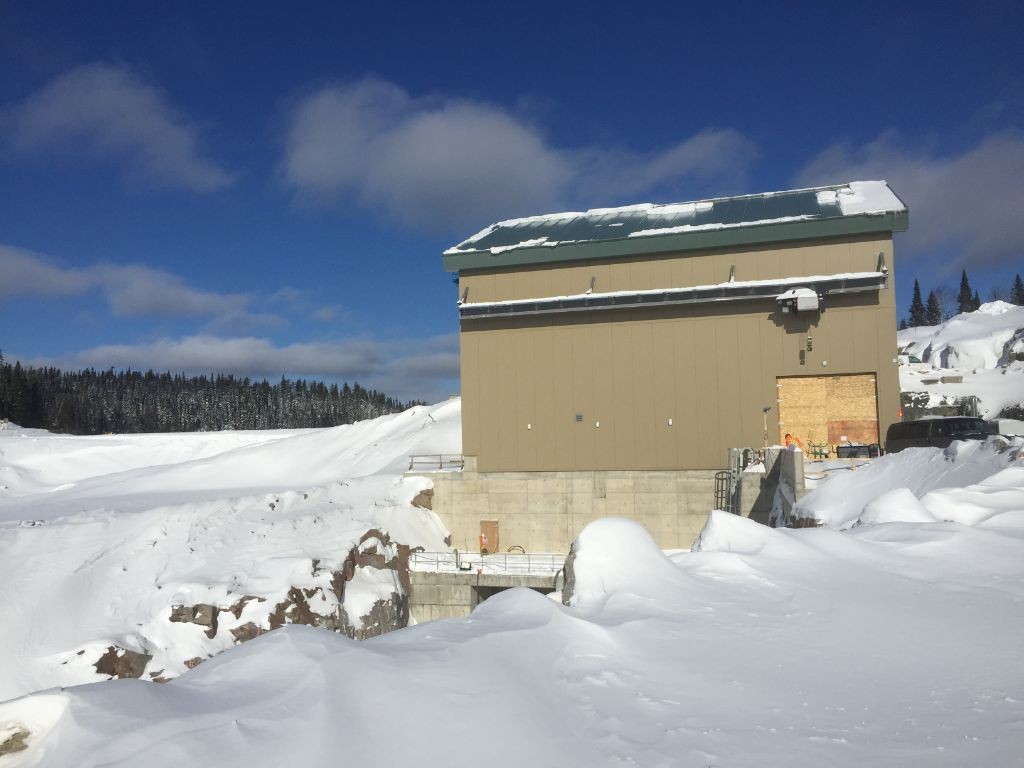
Whether you’re dealing with heavy snow, extremely low temperatures, high winds, or rapid freeze and thaw cycles, extreme weather conditions can make all types of construction projects more challenging. Even though they are optimized to withstand these harsh conditions, insulated metal panels must be installed correctly to actually deliver their lasting durability and effective thermal performance.
This guide outlines proper installation techniques when using insulated panels in extreme weather.
Why Extreme Weather Impacts Panel Installation
The best insulated metal panels are specifically engineered to deliver superior thermal performance and lasting protection from the elements. Still, they can only work to their full potential if they are installed correctly.
This is because extreme temperature swings can cause joint misalignment due to the panels’ metal surfaces expanding and contracting.
In wet conditions, trapped moisture could also cause problems, especially when it freezes. Even just mistakes and safety hazards that can arise when crews are forced to work in extreme weather can affect the effectiveness of a panel.
To ensure that insulated metal panels deliver their advertised R-value and fire rating, they must be installed according to the manufacturer’s guidelines.
How to Install Insulated Panels Correctly
Now that we’ve discussed how extreme weather can affect installation, let’s discuss some best practices to follow if you face these challenges.
Plan Around Temperature Swings
Given that panels can contract during severe temperature swings, it’s essential to avoid installing them when the temperature will vary significantly.
While you can’t always wait for perfect conditions, if temperatures will be below 10°C, the panels may contract, so you may want to leave some extra space for later expansion. This is particularly important if temperatures in the area will rise above 30°C. Remember, parts of Canada have to deal with hot summer temperatures and heat waves, so you need to anticipate extreme cold and extreme heat.
Another important consideration when installing in environments where temperatures will swing is that sealants and adhesives may lose their adhesive properties. To avoid these complications, make sure you follow the guidelines set by the panel manufacturer.
Avoid Moisture During Installation
While insulated panels are designed to withstand moisture, they can also be one of the biggest risks when installing them in extreme weather.
To avoid moisture-related issues, store the panels off the ground, preferably indoors or under a protective tarp. You should also avoid installing the panels while it is raining or snowing.
While moisture on the outside surfaces of the panels is not an issue, it can infiltrate the spaces between the panels. When that moisture melts and then freezes, it can create air gaps that threaten the thermal envelope the panels are designed to create.
Only Use Recommended Sealants and Fasteners
One of the keys to enjoying the benefits of long-lasting, effective insulated panels is ensuring the joints are properly sealed. Again, this is critical for maintaining an airtight and energy-efficient thermal envelope.
The panel manufacturer will have specific guidelines for sealants and fasteners designed to withstand a specific temperature range. Using low-quality alternatives could mean that the panels will not maintain their strength in extreme winter and summer temperatures.
Choose High-Quality Panels Designed for the Region
It sounds obvious, but one of the keys to a successful installation is choosing panels that can actually withstand the challenges the region will pose.
This is particularly important in Canada’s northern regions, where temperatures and winds can be incredibly challenging during the winter.
Make sure the panels are rated for the most extreme temperatures where they will be installed and can withstand the wind speeds the region faces. Again, it’s important to remember that Canada can experience a wide range of temperatures, so you’ll need to anticipate everything from severe ice storms to humid heat waves.
If you are planning to install in a wildfire-prone area, you may want to consider panels that have a high fire rating. While this won’t make them invulnerable to fire damage, it can act as an extra layer of safety.
Always Prioritize On-Site Safety
Extreme weather increases construction site risks. While insulated panels are easier to work with than multi-component systems, it is still essential that installers are prepared for the conditions.
Whether it’s lightning storms, extreme winds, heat waves, severe downpours, or a snowstorm, knowing when to pause and wait out the weather is critical for safety. Remember, not only is employee safety essential, but mistakes are far more common in extreme conditions, so the best course of action can be just to wait out the weather event.
Choose Panels Designed for Harsh Canadian Conditions
When building in extreme weather, panel quality is incredibly important. Structural Panels Inc. is a 100% Canadian-owned and operated manufacturer with decades of experience. We have created two of the best insulated panels for the unique challenges of Canada’s extreme environments.
ISOWALL Insulated Wall Panels are our first option and feature an EPS core that provides high R-values, even in the most extreme outdoor temperatures. These panels are lightweight but extremely strong, making them easier to install in winter and summer conditions.
The second type of panel we offer is our ROCKWALL Fire-Rated and Insulated Panel, which features a mineral wool core that delivers both high thermal efficiency and up to 3 hours of fire resistance.
Both panel systems provide continuous insulation, minimal thermal bridging and lasting durability. They’re also made for easy installation, making them ideal for projects in regions where weather can necessitate a rapid install. Whether you’re facing ice-cold winter storms or sweltering summer heat waves, your insulated panels will be capable of withstanding anything Mother Nature throws at them.
Install the Best Insulated Panels Today
There’s no getting around it, extreme weather can complicate construction. But with proper planning and the right materials, you can rest assured that you have made one of the best decisions to protect your investment.