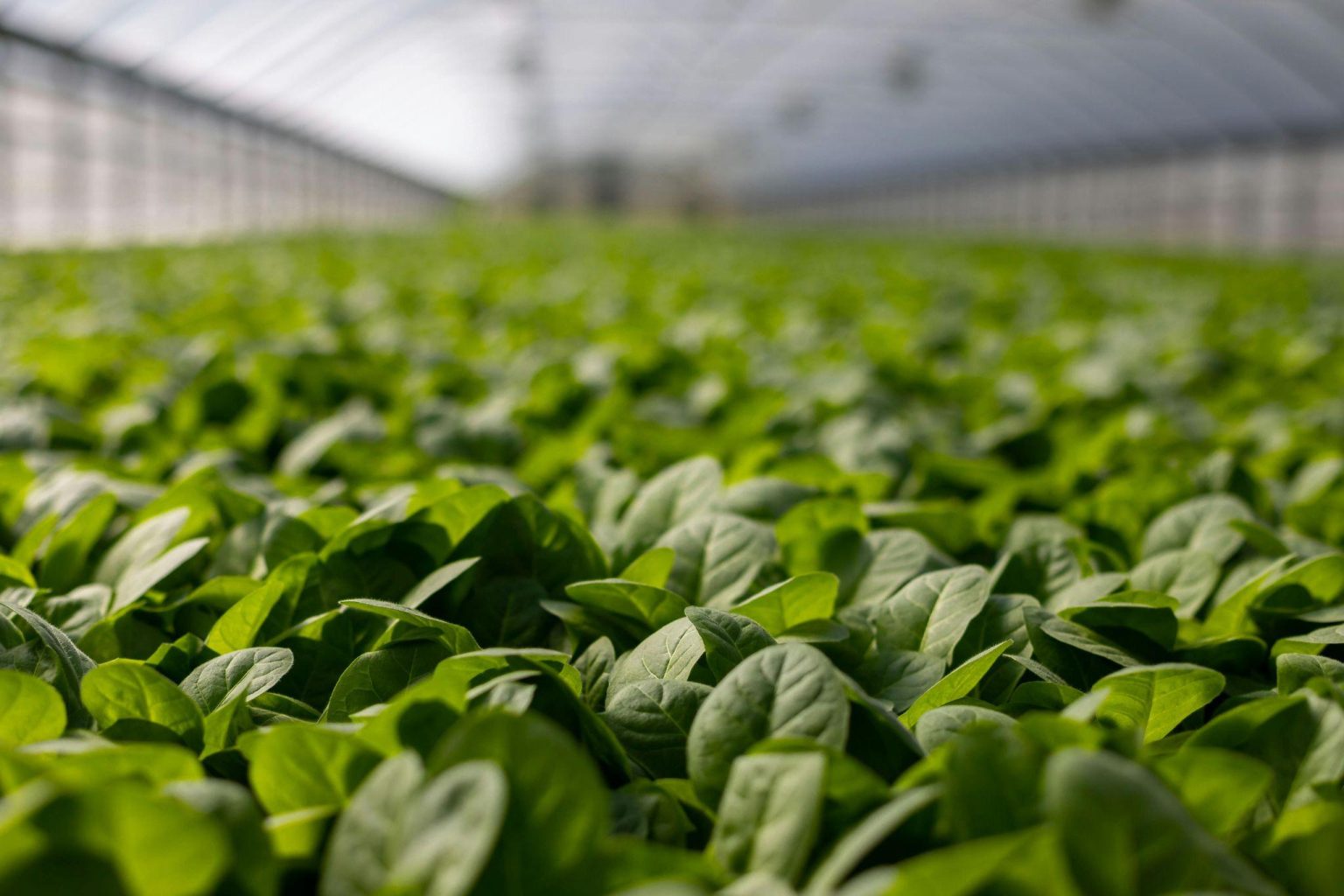
Indoor farming has revolutionized food production by allowing farmers to grow and harvest crops year-round, even in otherwise harsh climates. Part of that process involves maintaining a highly controlled environment. To maximize productivity, the temperature, humidity levels, and even the lighting need to be managed precisely.
One of the best ways to maximize yields and achieve the ideal growing environment is to invest in high-quality insulated wall panel systems. This guide will explain how they improve energy efficiency and save you time and money.
The Importance of Insulation in Indoor Farming
No matter what you’re growing, maintaining a stable environment is essential. Even small fluctuations in temperature, airflow, and humidity levels can reduce crop yields.
When your agricultural facility is well-insulated, you can maintain a controlled temperature and reduce the energy demands on your HVAC system. Humidity and condensation buildup are also limited, helping to prevent the spread of mould and mildew, which can threaten crops.
In other words, not only is plant health improved, but your entire facility is more energy efficient, so that you can reduce your operating costs.
The Benefits of Insulated Panels for Indoor Agriculture
Whether you are cultivating traditional crops or you’re running a marijuana growing facility, long-lasting, high-quality insulation is going to help improve yields.
When it comes to insulating these types of facilities, pre-fabricated insulated wall panels offer several advantages over traditional materials and multi-component insulators:
Superior Thermal Performance
Where traditional insulators can have thermal gaps and variable performance across their surface, insulated wall panels are designed to deliver consistent performance across their entire surface.
Since they sit perfectly flush alongside each other, thermal gaps are also minimized. The best wall panels have a high R-value, so they help stabilize the internal temperature and reduce heat loss.
Beyond keeping the temperature within the optimal growing range, the sudden temperature fluctuations that can damage crops are also minimized.
Improved Energy Efficiency
Because they offer continuous insulation and make it much easier to create an unbroken thermal envelope, insulated panels also reduce the demands on your HVAC system.
In power-hungry growing environments, energy usage can be amongst the most expensive operational costs.
By lowering energy requirements and reducing strain on the HVAC system, you save money in the short term on monthly bills, while also making it less likely your heating system will need costly repairs.
Moisture and Mould Resistance
High quality insulated panels have a continuous and non-porous outer facing that gives them a natural resistance to humidity and condensation buildup.
This outer facing prevents mould and mildew from growing on the surface of the walls, which is critical when it comes to maintaining an optimal growing environment.
Easy to Clean and Sanitize
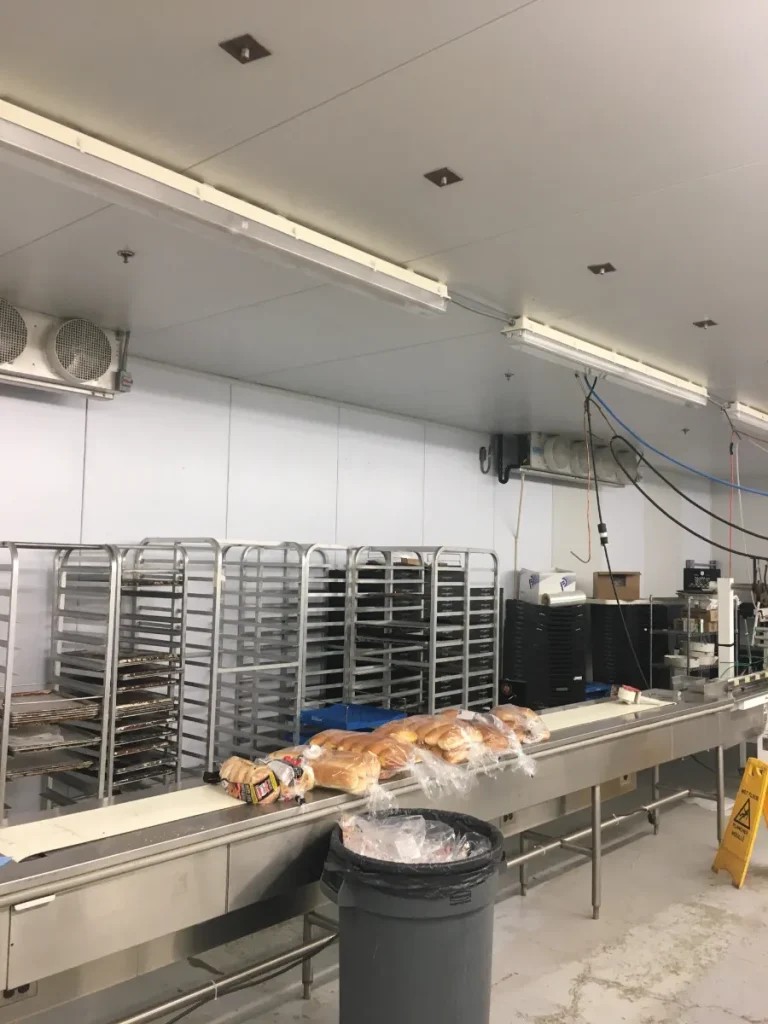
The smooth and sealed outer surface of the panels makes them easy to clean. For growing facilities that must meet FDA and CFIA standards, having walls and ceilings that are easy to sanitize makes it even easier to meet regulatory requirements.
It also helps if you need to fully clean the facility before switching over to a new crop between growing cycles.
Faster Construction Turnaround
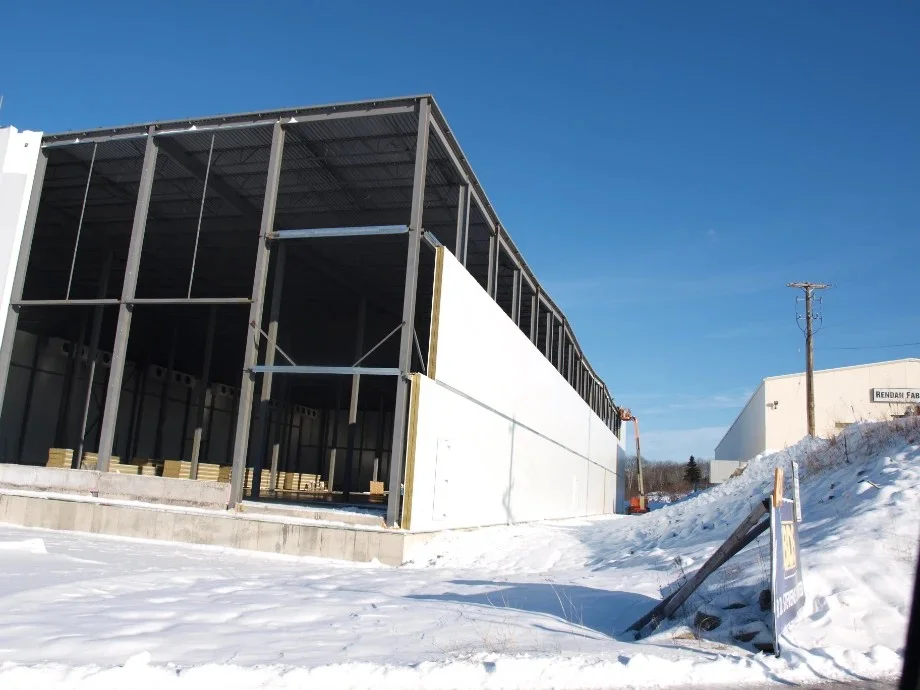
Since they are pre-fabricated and the insulator is already contained within the panel, installation is much faster than building and insulating walls with traditional materials, allowing you to save on labour costs while reducing downtime related to the build. Plus, the best panels have tongue-and-groove designs that make it easier for non-professional installers to work with.
Some can even be cut to size and altered on the job site, making it easier for you to accommodate vents, piping for sprinkler systems, fans, and more.
Long Lasting Durability
Unlike traditional materials, such as drywall and fibreglass insulation, metal insulated panels are incredibly durable.
They can withstand physical impacts, as well as rodents, burrowing insects and other types of tunnelling pests. This means they can last for many years with minimal maintenance.
The Best Insulated Panel Options
Not all insulated panels are made to the same standards, so choosing the right option is incredibly important.
If you want the highest performance for your indoor agricultural facility, two options exceed industry standards:
ISOWALL Insulated Wall Panels
Designed to deliver outstanding and continuous thermal performance, ISOWALL Panels deliver the following:
- An expanded polystyrene (EPS) core provides superior insulation
- They offer an R-value of 4.1 per inch
- CFIA-accepted for use in sanitized spaces
- Customizable lengths and finishes
- Lightweight and durable design
ROCKWALL Fire-Rated Wall Panels
For those looking for high-quality thermal performance, in addition to lasting fire protection, ROCKWALL Panels are another excellent option, as they offer:
- A mineral wool core with fire resistance up to 3 hours
- CFIA-acceptance
- An easy-to-clean outer surface that resists mould
- Lasting, maintenance-free durability
Final Words
To maximize crop yields, you must control all variables. Insulated panels make it easier to do so, while also saving you money on installation and energy costs.
If you’re ready to upgrade your facility with ISOWALL or ROCKWALL insulated panels, give us a call.